


I have read a lot of reviews for this movie, but this is the only one that felt personal enough to end with tears.
Watching Hoppers With My Kid Was Moving—and Uncomfortable
Hoppers, Pixar’s latest feature film, opens with a flashback. Mabel, who will grow up to be our teenage protagonist—a skateboard-riding environmentalist staging one-woman protests in defense of local wildlife—is just a child, staring at her classroom terrarium, home to a much-poked and prodded turtle. She waits until the recess bell rings and her classmates sprint outside before pulling the turtle out of the tank and stowing it carefully in her backpack. Soon, she’s cramming the backpack with every critter in the building—a guinea pig, birds, mice, a snake—and making a run for freedom. But the heist comes to an ignominious end when Mabel is intercepted, and we see on her face—as she’s reprimanded by teachers and parents—a deep sense of anger and sadness, not just that her jailbreak was foiled but that she’s the only one who sees the need for a jailbreak at all. Why don’t any of her classmates, her teachers, or her parents give a damn?
This stopped me in my tracks and made me pay attention to this article. What followed was even more compelling.
The lonesomeness of Mabel’s fight for animals remains a central theme in Hoppers. We see it again immediately upon cutting to the present day, when Mabel stands alone in front of a demolition crew, trying to stop the bulldozing of a wooded glade—her childhood haven—that the town mayor, Jerry, wants to turn into a new expressway, “getting you where you need to go up to four minutes faster.” Mayor Jerry tells Mabel that she’s the only one who wants to save the glade, whereas everyone in town wants the highway. To prove him wrong, Mabel launches a petition drive, which leads to a montage of doors getting slammed in her face—once more, it seems like Mabel is the only one who cares.
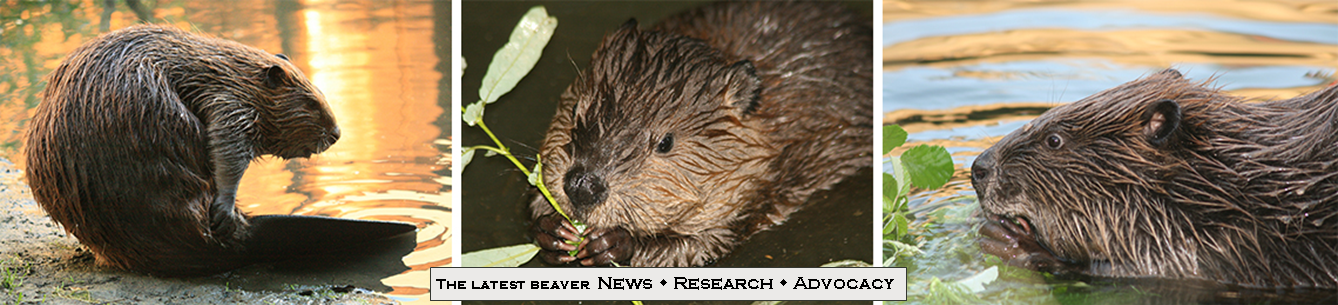
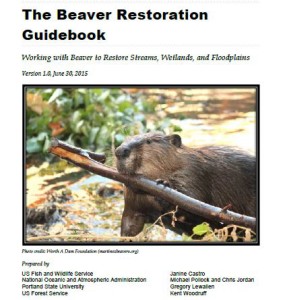
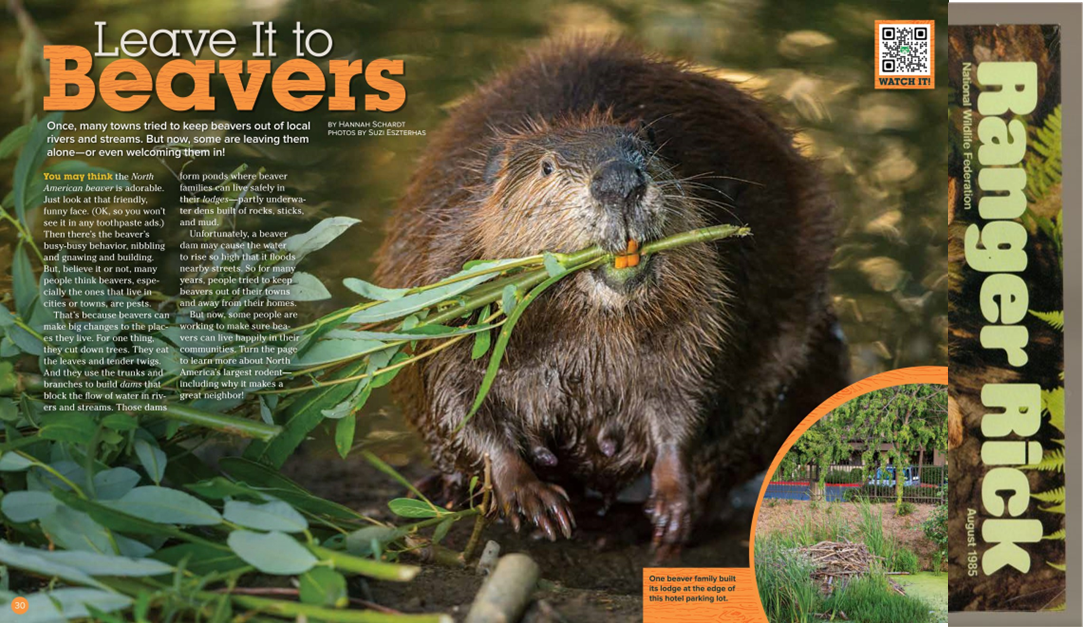
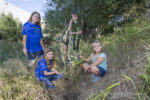
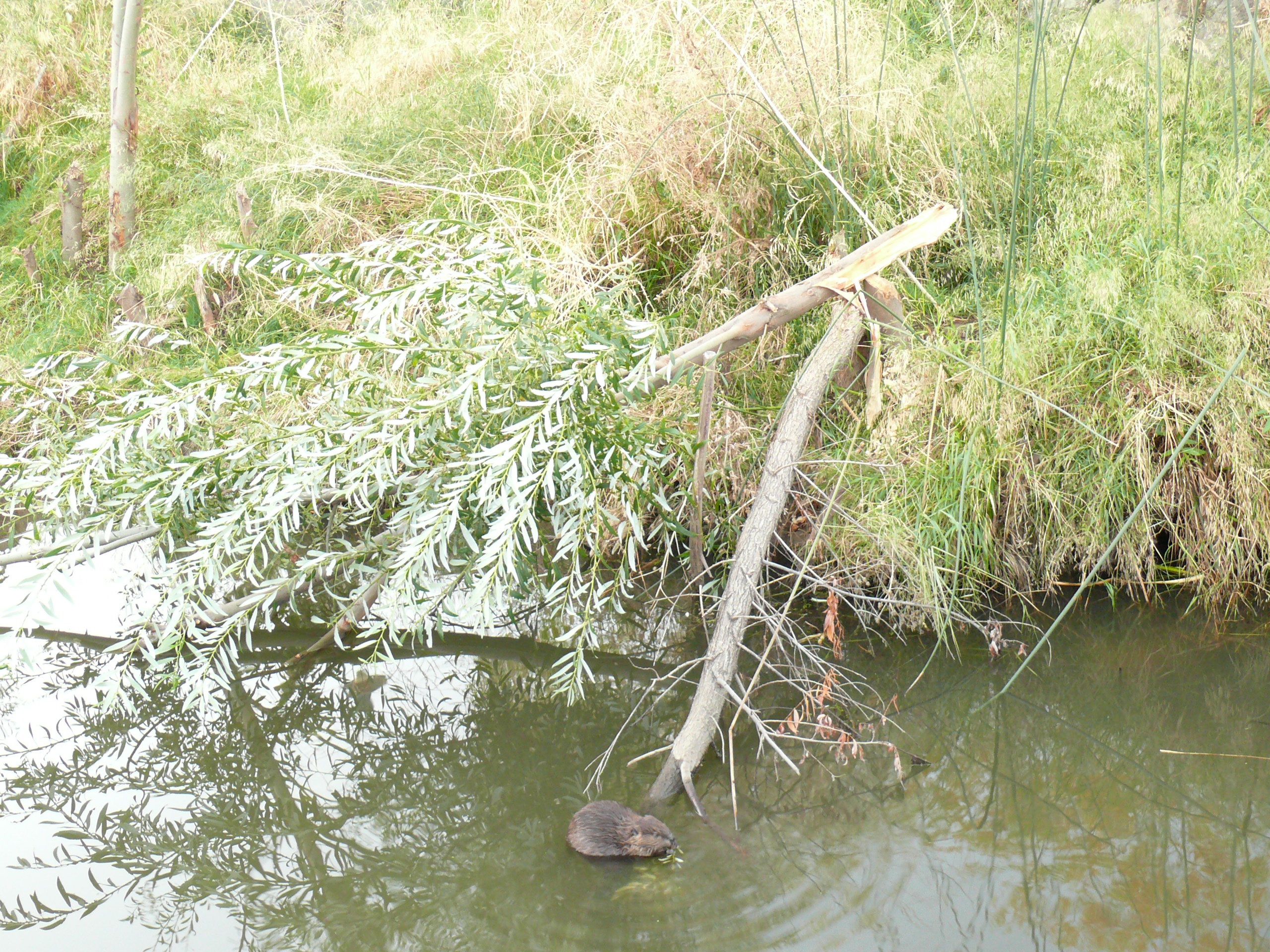
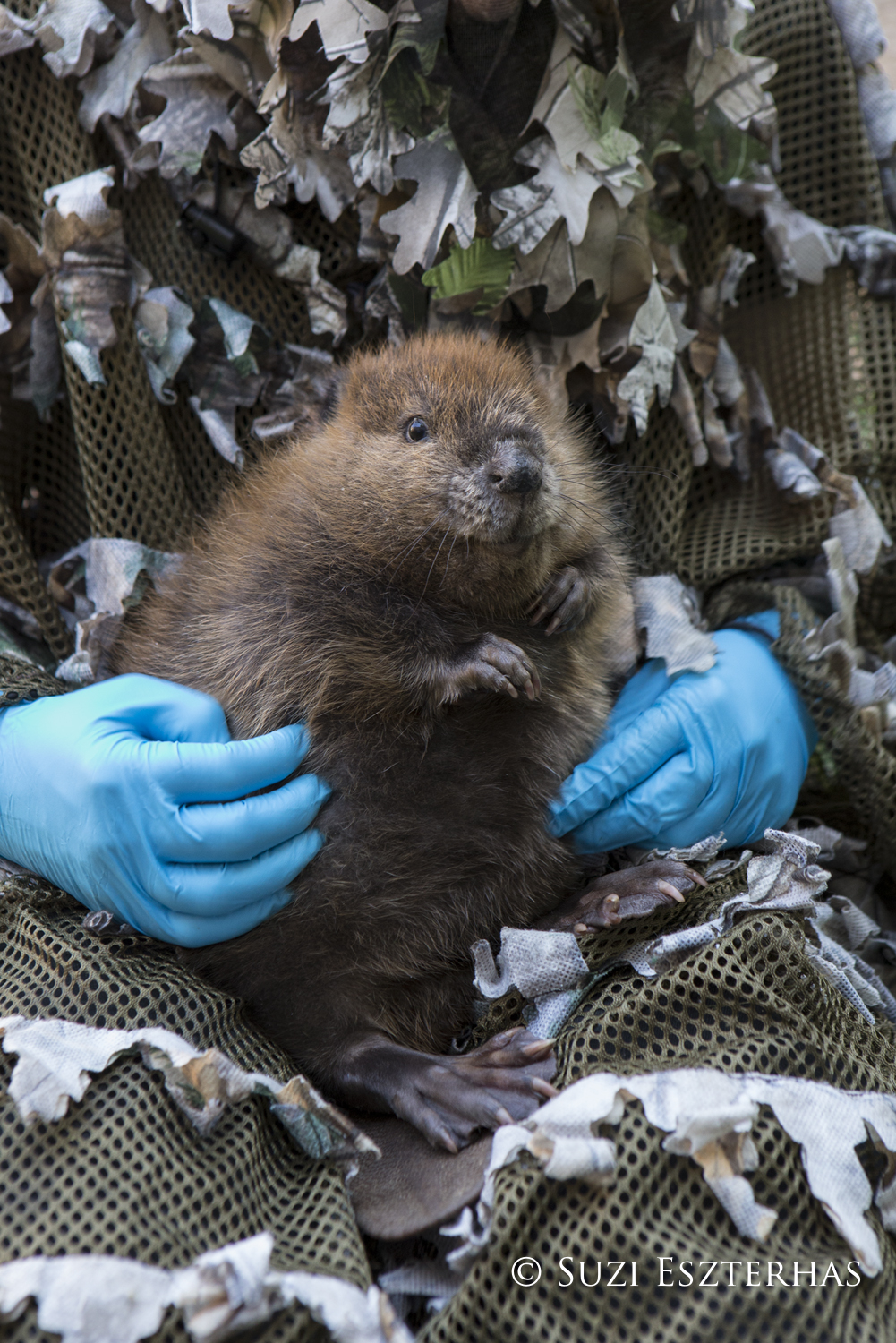
Saving beavers, saving wetlands, saving a little patch of land is lonely work. I feel remember that feeling when I was pissing off the city leaders by defending them too much and annoying beaver advocates for defending them too little. Trying to forge a new path is lonely. Because no one is walking with you.
Or so it seems at first.
The lonesomeness of Mabel’s fight for animals remains a central theme in Hoppers. We see it again immediately upon cutting to the present day, when Mabel stands alone in front of a demolition crew, trying to stop the bulldozing of a wooded glade—her childhood haven—that the town mayor, Jerry, wants to turn into a new expressway, “getting you where you need to go up to four minutes faster.” Mayor Jerry tells Mabel that she’s the only one who wants to save the glade, whereas everyone in town wants the highway. To prove him wrong, Mabel launches a petition drive, which leads to a montage of doors getting slammed in her face—once more, it seems like Mabel is the only one who cares.
Is she though? Maybe in some ways. People lead busy lives and want to get through their days faster. But STORIES can capture their attention. Stories can slow them down and remind them why they care.
So it’s pretty remarkable that Hoppers—a movie about a young woman who takes the natural world as seriously as it deserves to be taken, while grappling with the heartache and fury she feels toward everyone around her who couldn’t care less—has been for two weekends in a row the top film virtually everywhere on the planet, with a global box office take of $165 million so far. That’s a lot of people who have watched and enjoyed this story, and—perhaps, to some small degree—internalized some of its themes. In a moment when good news can feel hard to come by, that feels worth celebrating.
If you want to save a beaver or a dragonfly or a microbe or a museum. Tell a story that engages others. Tell it well. Tell it often, If you tell it in the right way people may actually listen.
When we got home from our screening, my wife, who hadn’t joined us at the theater, asked our son what the movie was about. He said it was about “believing.” A bit of a head-scratcher, that answer—there’s not really any explicit discussion of believing in Hoppers; no scenes where Tinkerbell is brought back to life through the power of belief. And I couldn’t get the kid to expand on his initial response, which was open-ended enough to allow an essay-writer to layer all sorts of profound meanings on top. He’s five—5-year-olds say weird things all the time.
But I can’t help but give his response my own spin. After watching this movie, and seeing the world’s response to it, what I am choosing to believe is that there are a lot of us who care about the nonhuman world. If we all just had the courage to be as loud and proud about that belief as Mabel, maybe this fight wouldn’t have to be so lonely.
And that ladies and gentleman is how you tell a story and save beavers. Thank you Aaron, for putting your finger on why this movie matters.